Wishlink
PROJECT TYPE
Consumer Product + AI Recommendation Platform
ROLE
UX & UI Designer
Product Strategy
TEAM
Mochi (6 people group)
TIMELINE
2025/10 – 2026/04
Project Overview
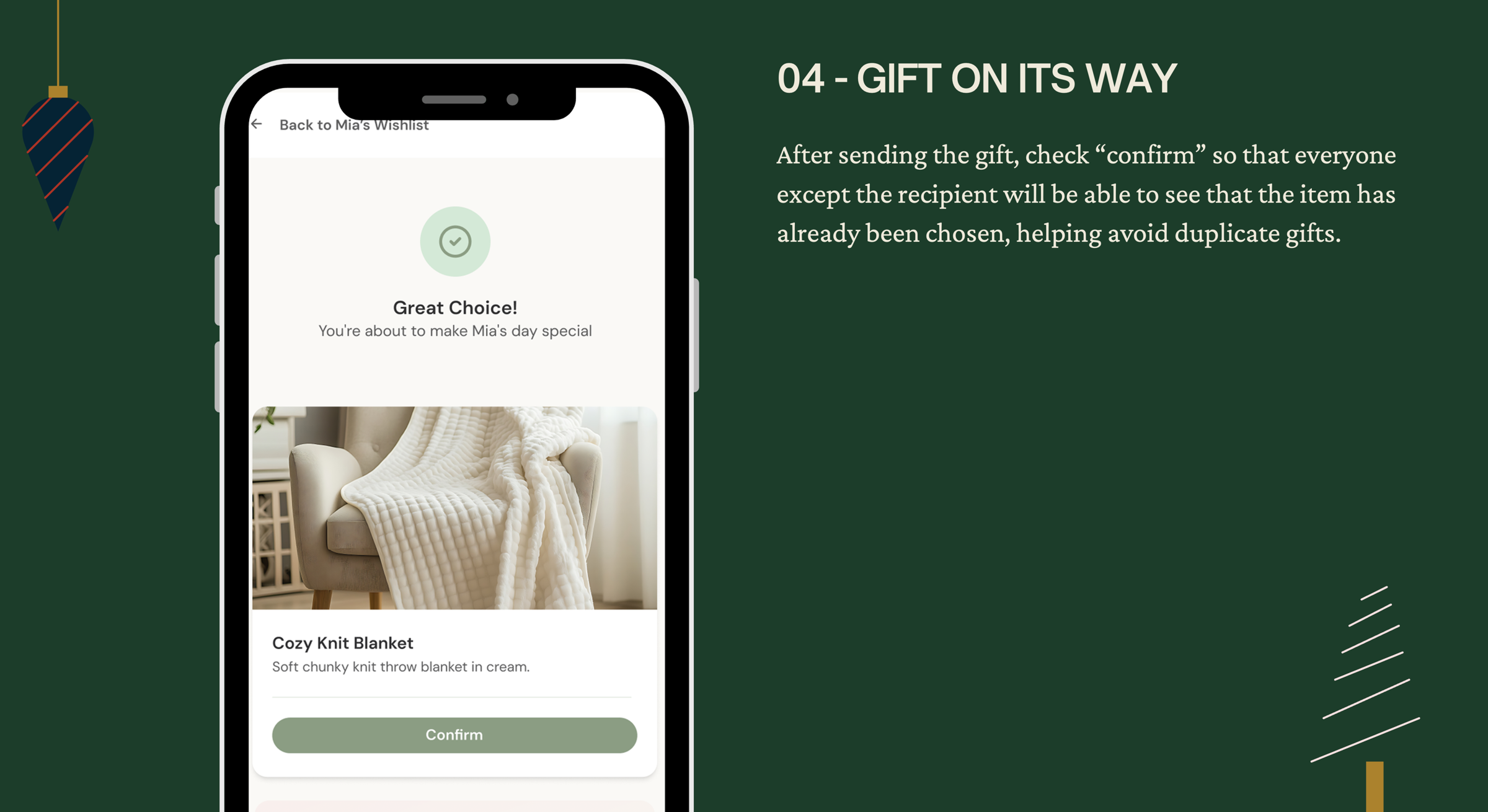
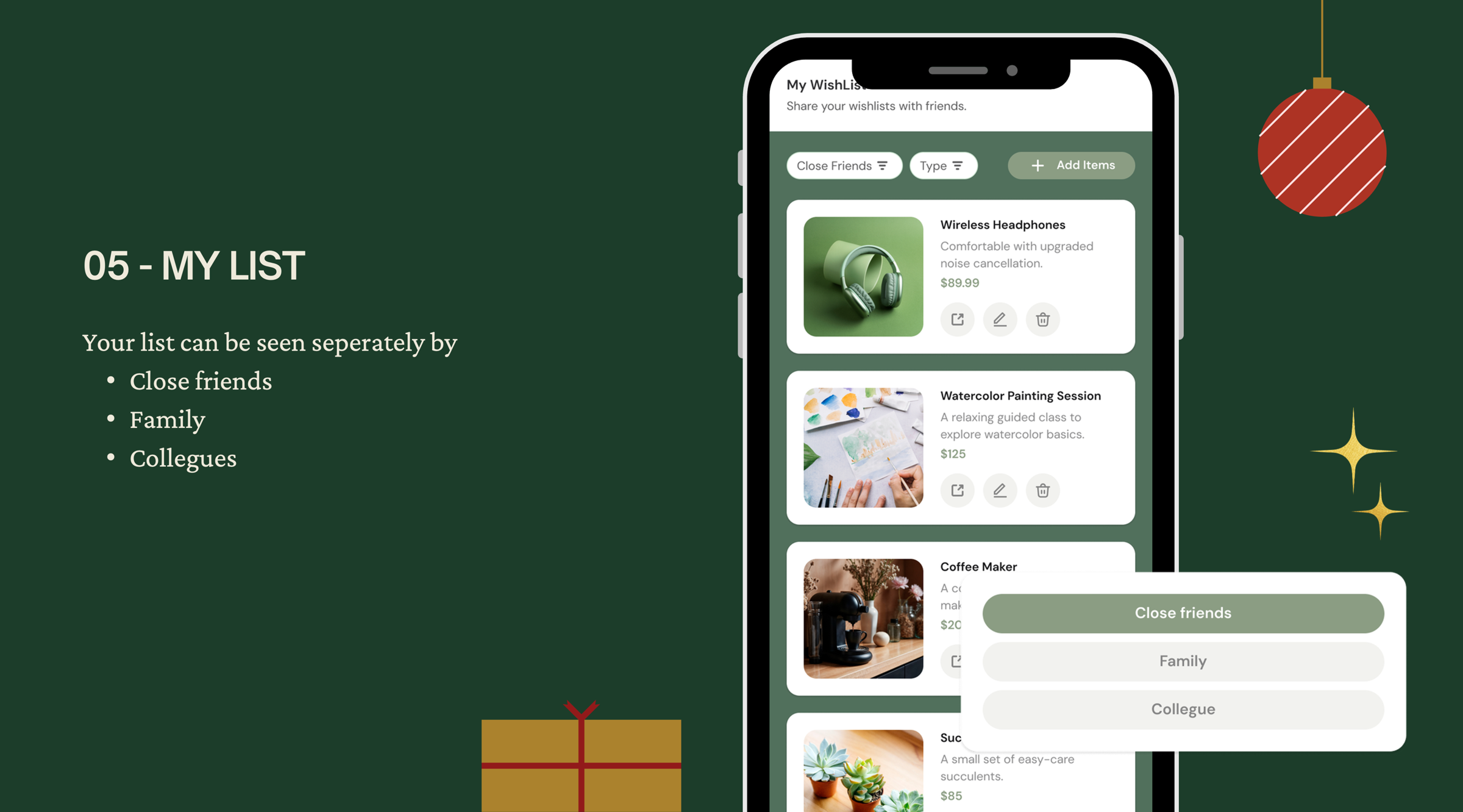
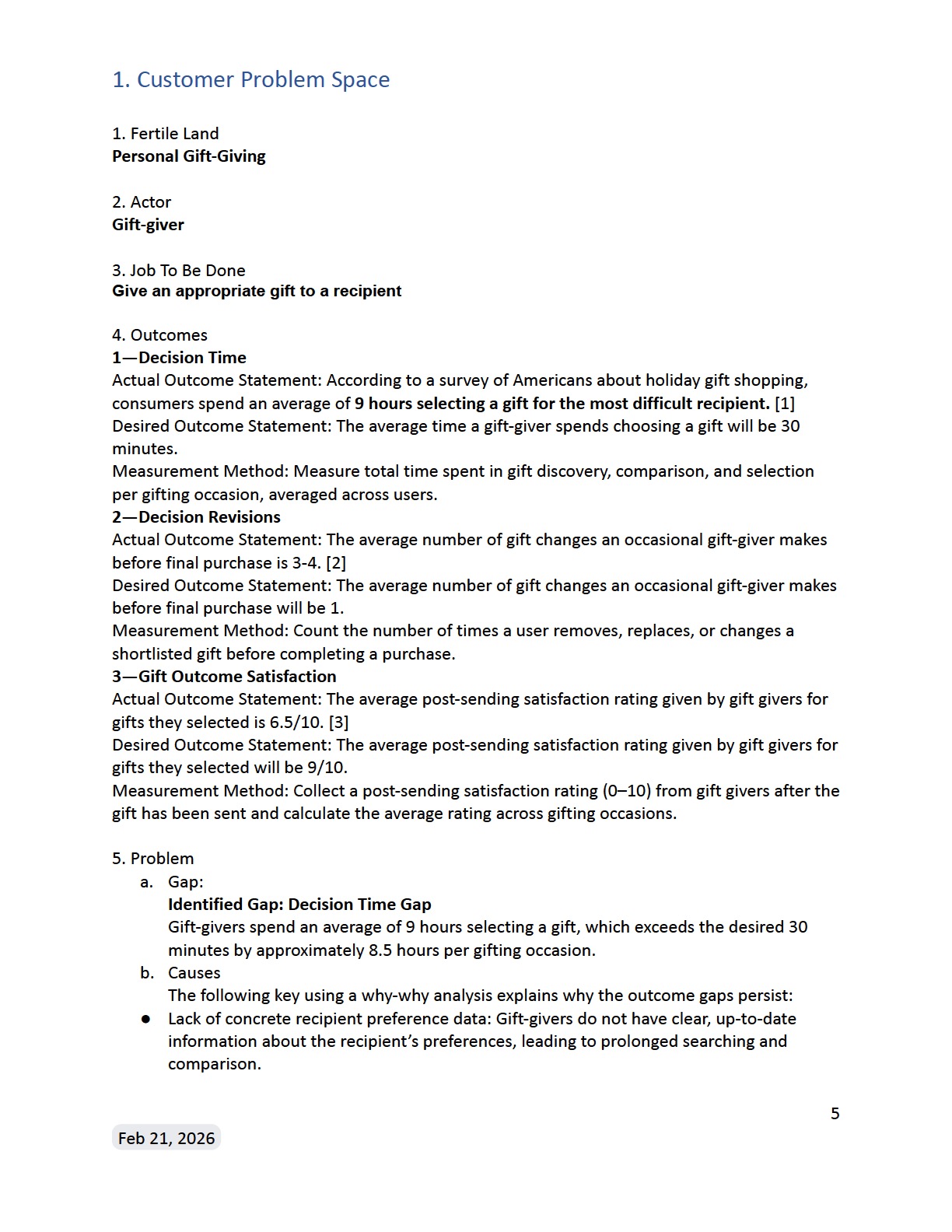
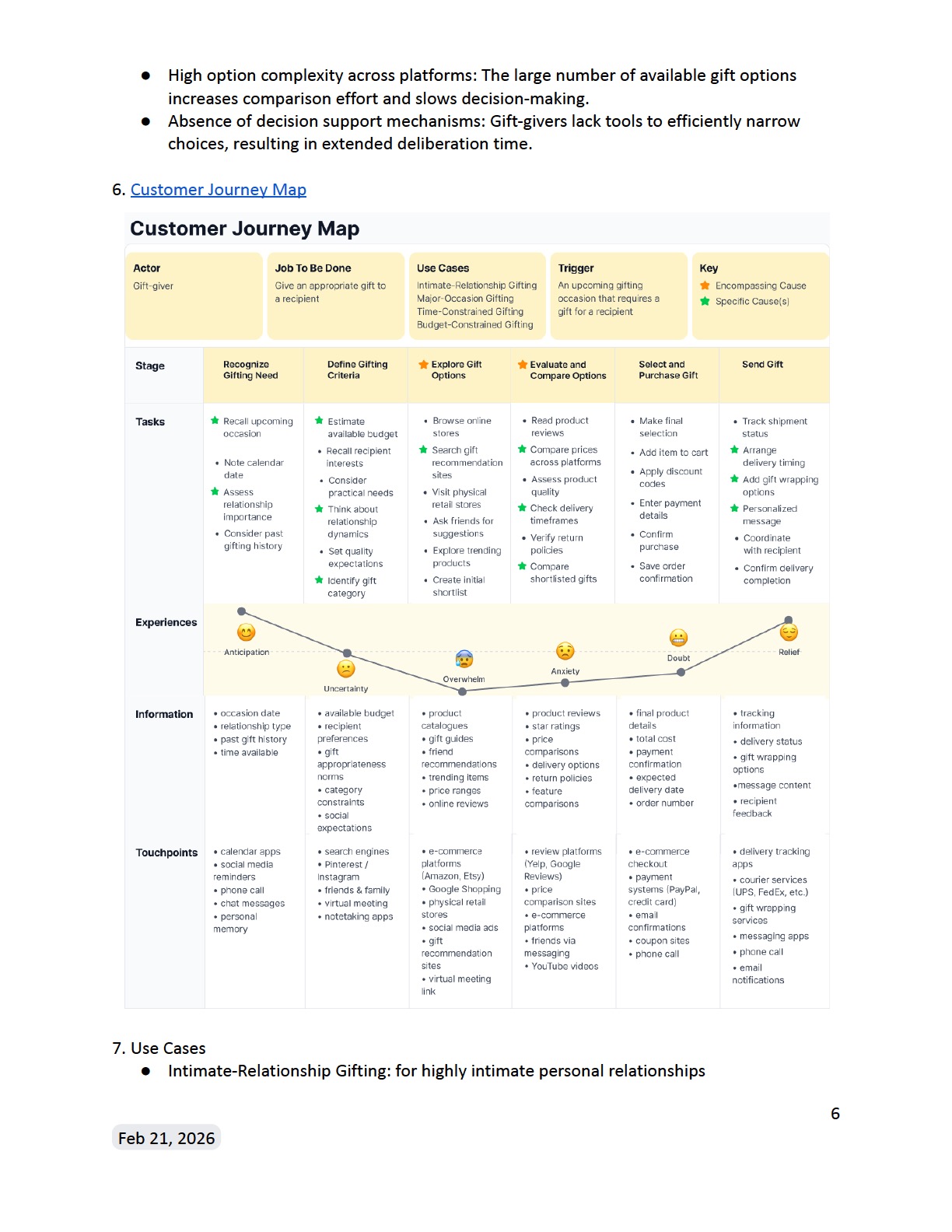
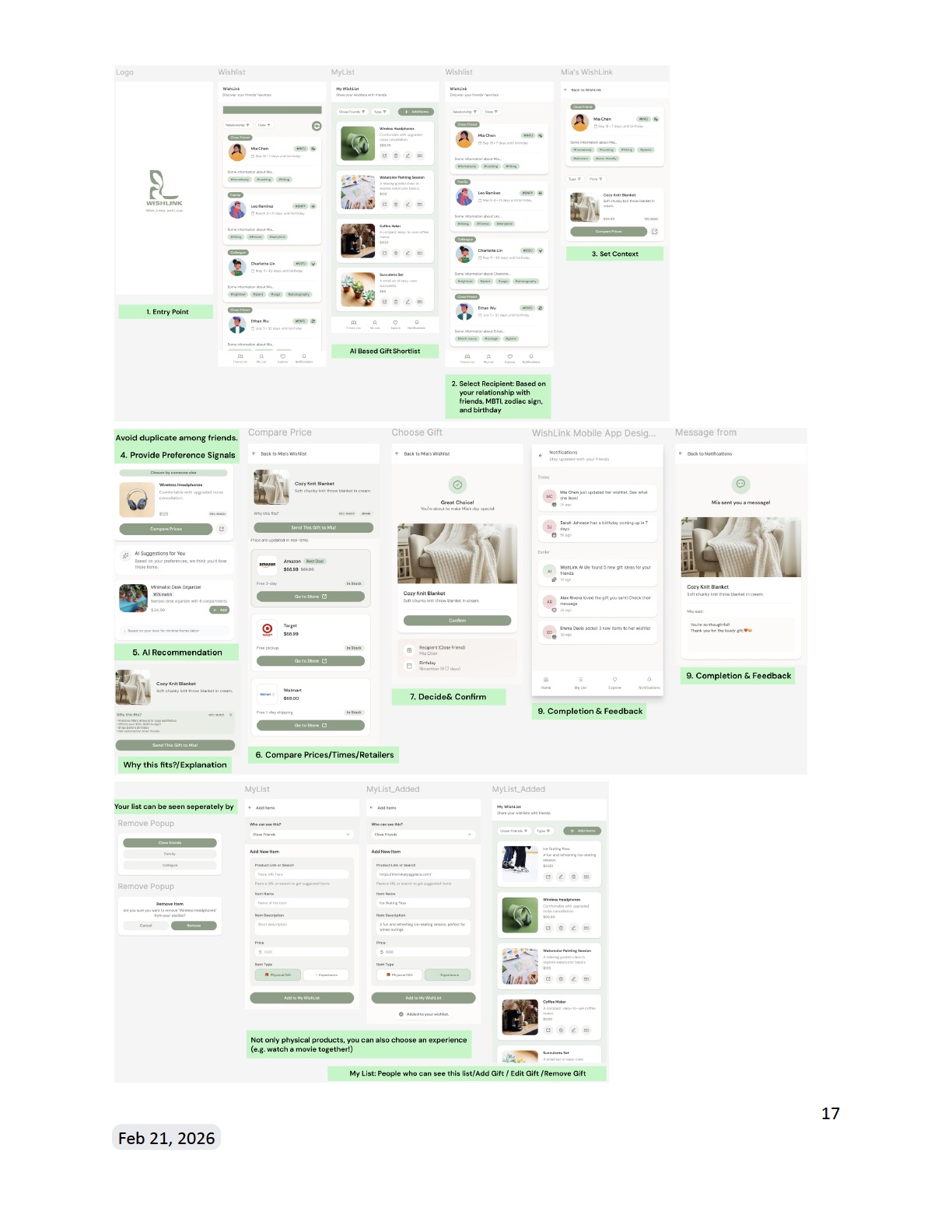
WishLink addresses a common behavioral problem faced by everyday gift-givers: uncertainty, time pressure, and lack of confidence in choosing meaningful gifts. Many users spend excessive time searching, second-guessing decisions, or end up giving generic or duplicate gifts.
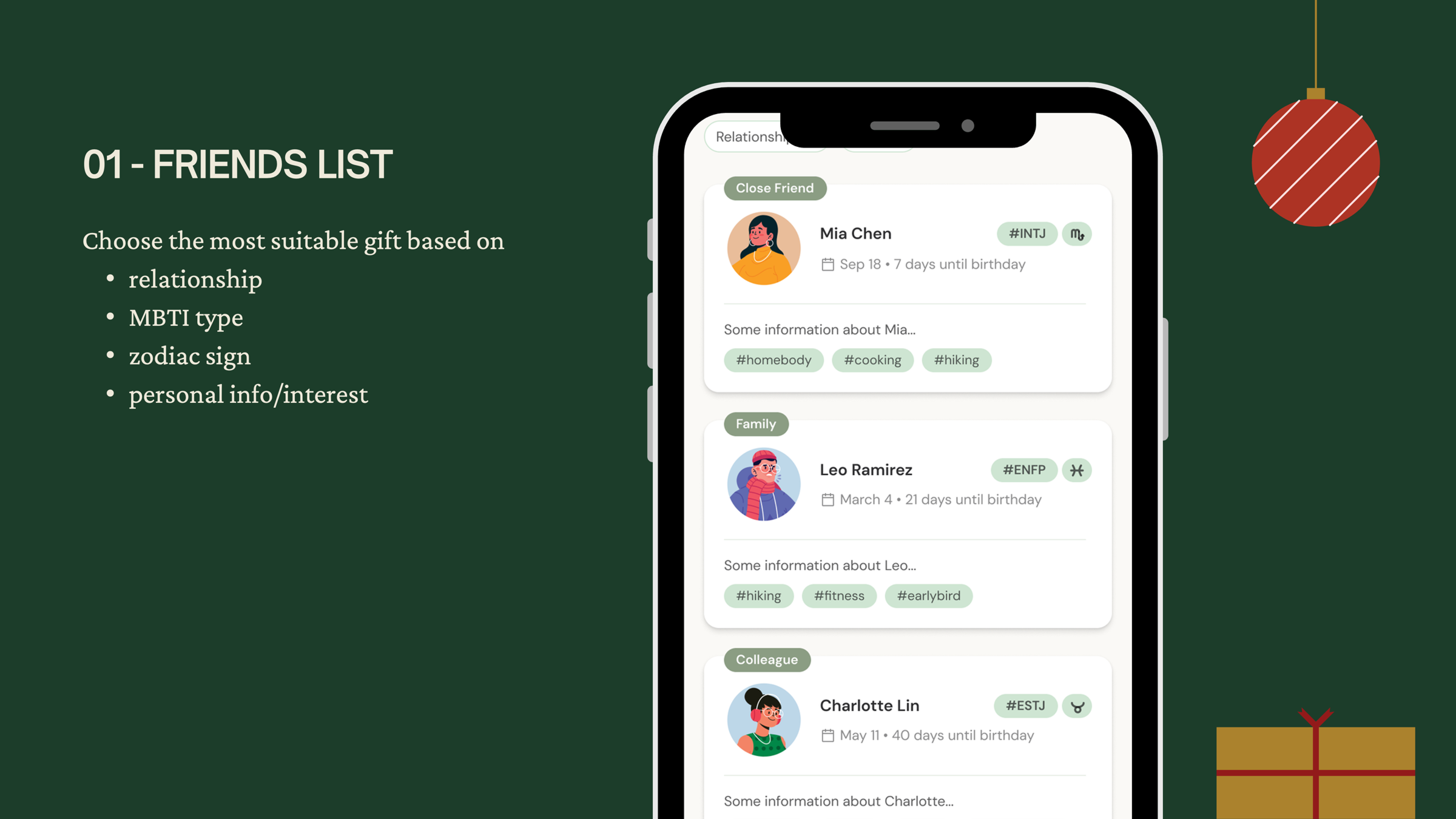
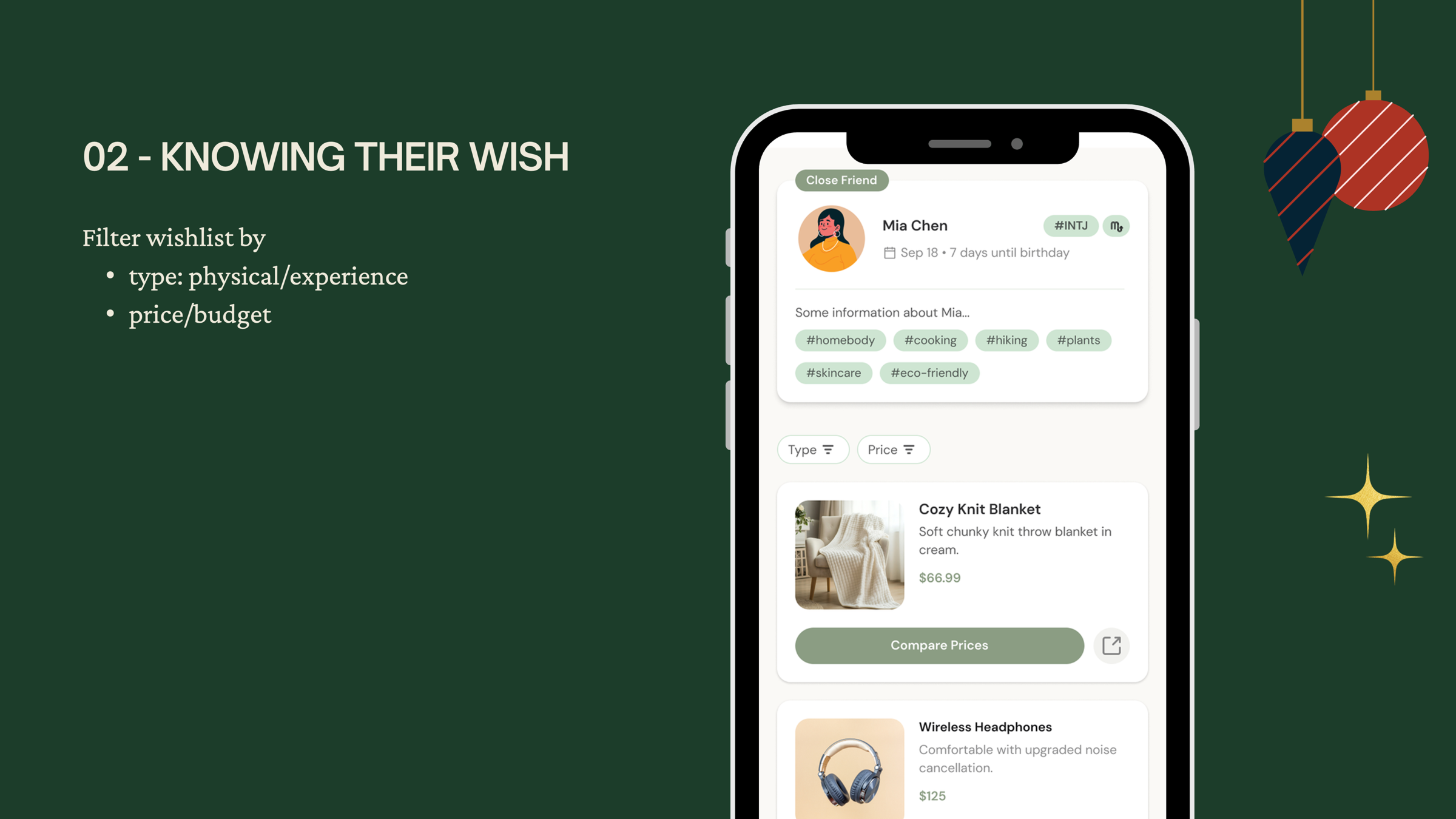
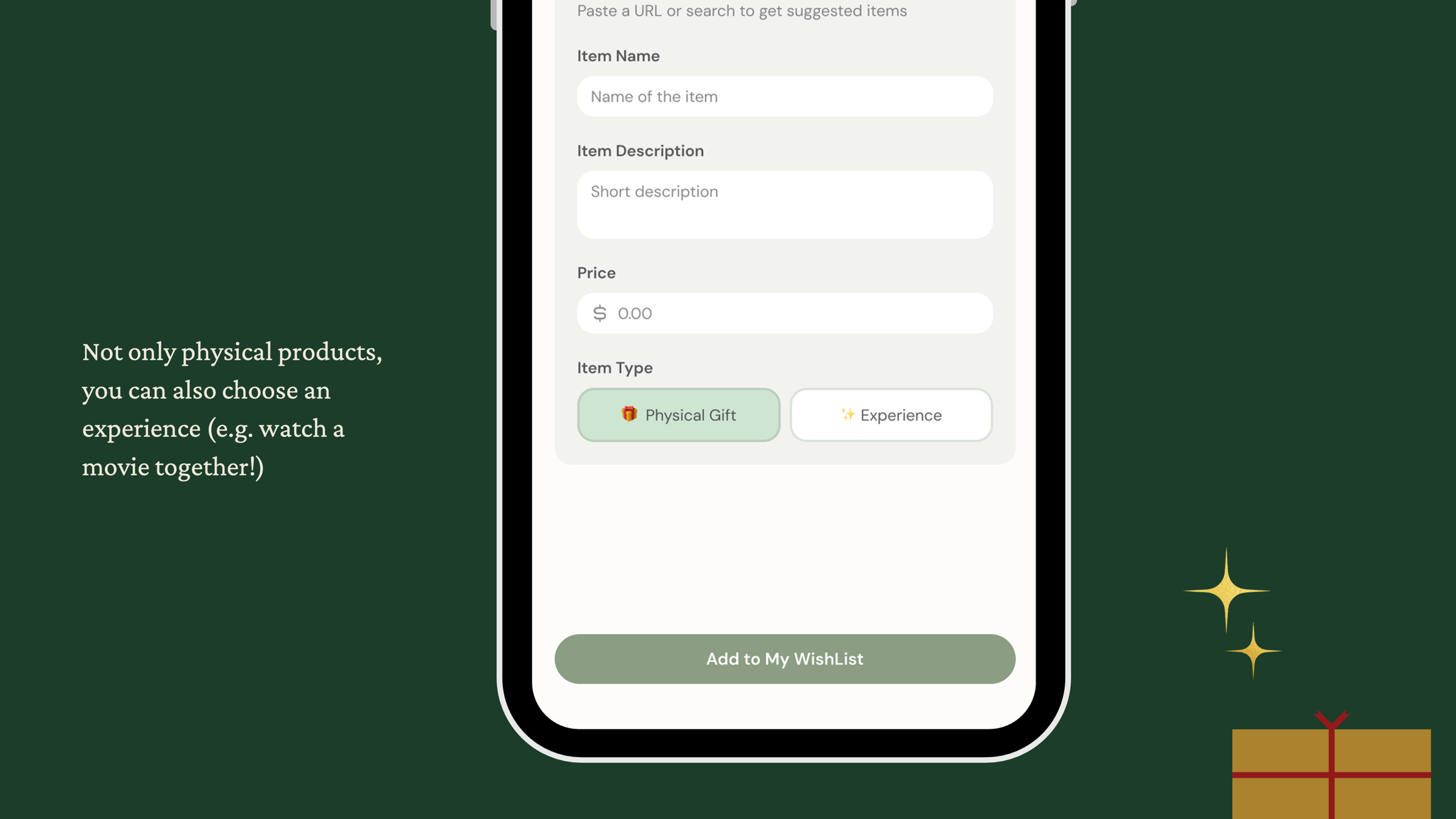
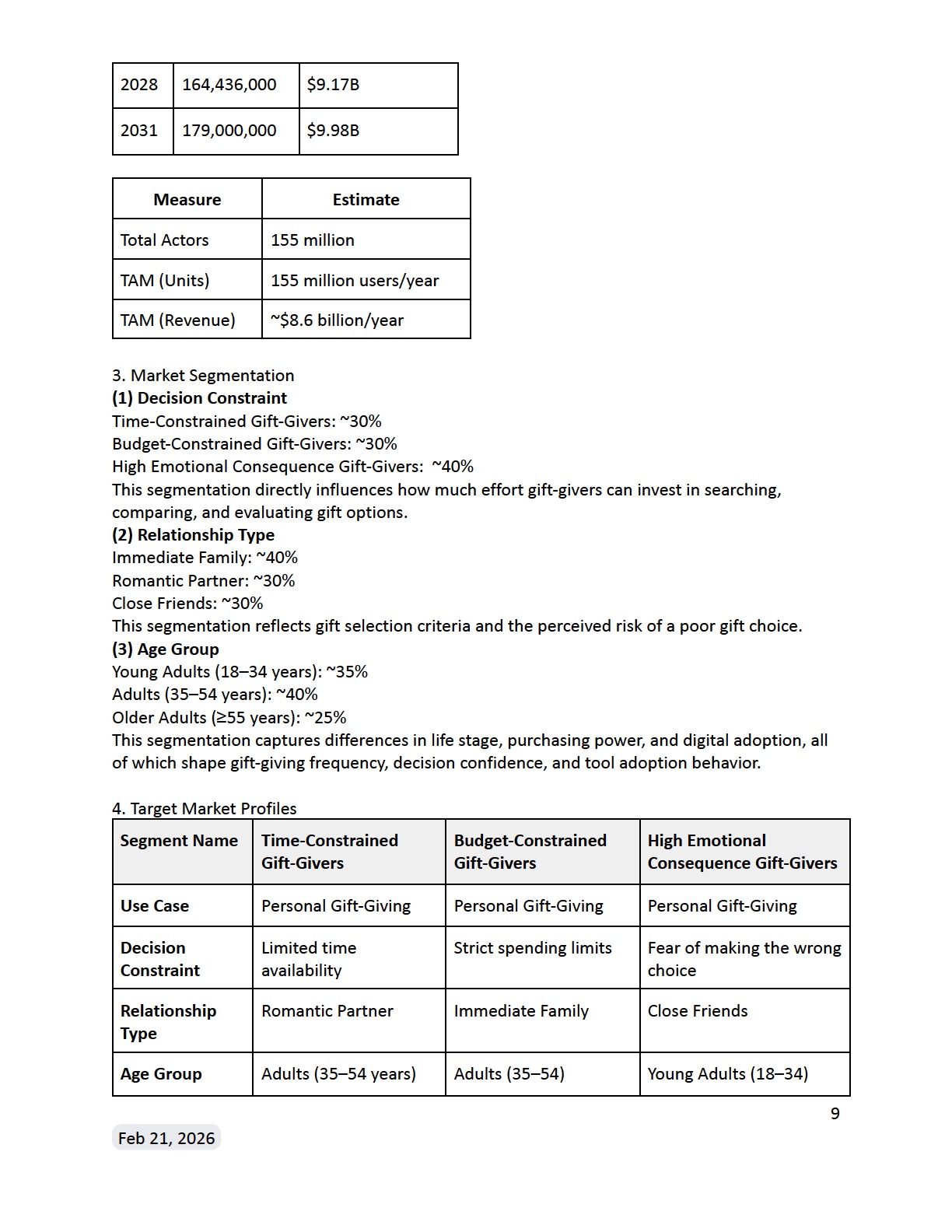
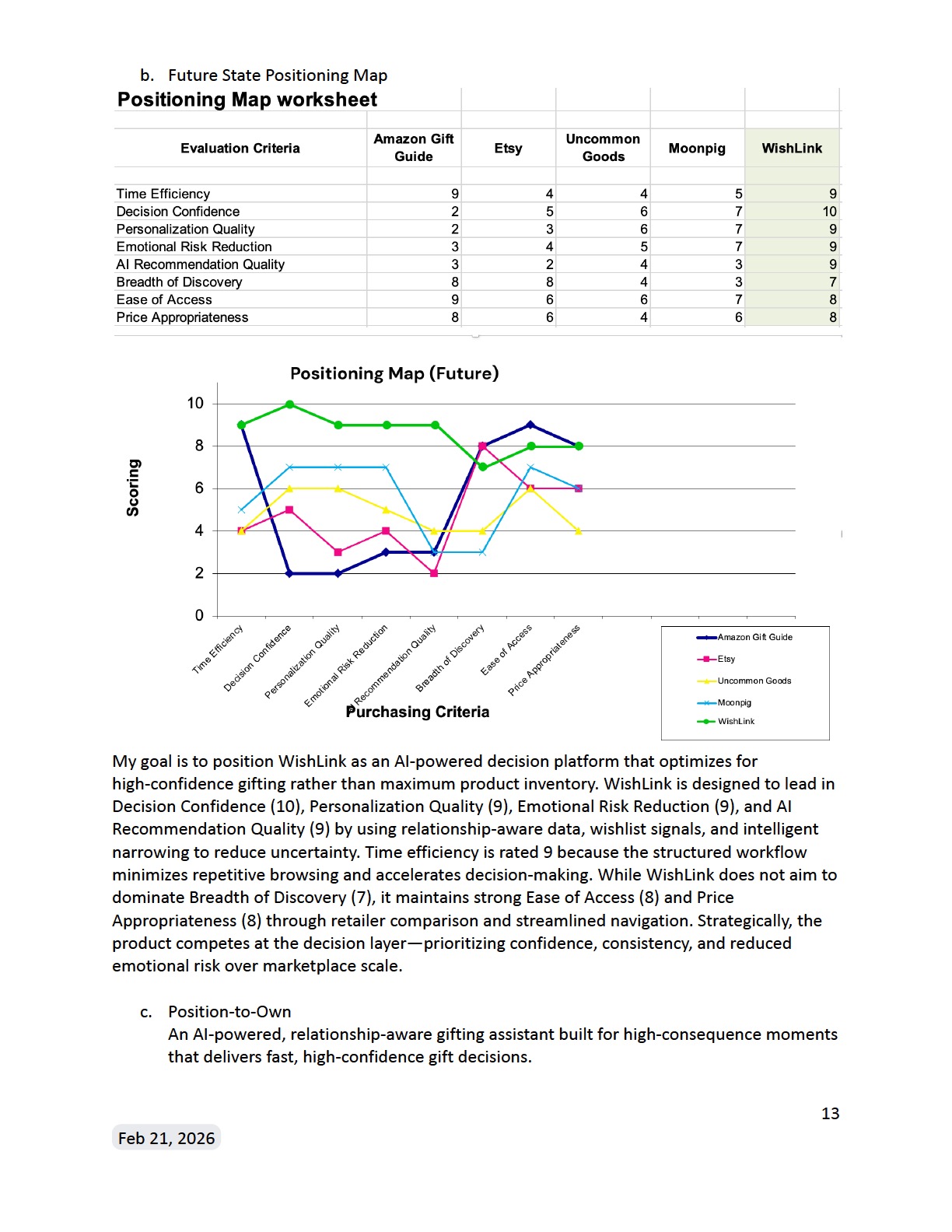
Instead of relying on fragmented inspiration sources or guesswork, WishLink provides a centralized platform that combines friend wishlists, contextual inputs (occasion, relationship, budget), and AI-powered recommendations to guide users toward confident gift decisions.
Try Clickable Prototypes in Figma Make
Economic Drivers
1. Biomass waste creates recurring costs: handling, transport, and disposal/processing fees
2. Costs swing due to:  fuel surcharges, contract resets, and contamination penalties
3. Facilities pay to remove waste while still purchasing on-site energy
Environmental + Regulatory Drivers
Research Insight
Secondary Research
Research Summary
Interview Insights
How is waste managed today?
When waste is generated, it goes through a pretty standard chain. It gets collected, stored, sorted, and then transported off-site. From there, it branches depending on the material type. Cardboard and paper can either be recycled if they're clean or landfilled if they're contaminated. Food waste goes to composting. And material from water treatment plants gets dried out and ends up in the landfill too. So even when facilities are doing the right things, sorting, separating, hauling, a lot of this material still ends up in the ground. The system has real leaks.
When wood waste is generated, it gets split into two streams. The accepted stream, meaning clean, fresh, natural wood, can go to recycling, get turned into mulch, or be repurposed. But here's the problem: that accepted stream is actually the minority. The rejected stream, anything painted, treated, engineered, or the wrong size, gets hauled straight to a landfill. And that's 80% of all wood waste generated. Seventy million tonnes of wood waste every year, and the vast majority of it has nowhere to go but the ground.
Want to work together?
If you like what you see and want to work together, get in touch!